Can you freeze-dry food at home in a normal kitchen?
True freeze-drying is not the same as ordinary freezing or oven drying.
On this page
If you mean true freeze-drying, the short answer is no, not in a normal kitchen. A domestic freezer can freeze food, but it cannot remove the ice from that food in the controlled low-pressure conditions needed for proper freeze-drying. An oven and a fridge cannot do it either.
What you can do at home is use freeze-dried ingredients very effectively. For most UK cooks and bakers, that is the practical route. You keep the convenience, strong flavour and light texture of freeze-dried fruit, vegetables and powders, without trying to reproduce an industrial process with the wrong equipment. At Crispberry, we focus on that practical side of freeze drying at home, how to choose, store and use these ingredients sensibly in an ordinary kitchen.
What freeze-drying actually means
Freeze-drying is a specific preservation process. Food is first frozen. Then, under very low pressure, the ice inside the food is removed by turning straight from ice into vapour rather than melting into liquid water first. That is why freeze-dried ingredients are usually very light, crisp and dry.
That is different from simply freezing food. Frozen fruit in your freezer is still full of ice and water. It is preserved because it stays cold, not because the water has been removed.
It is also different from dehydrating. Dehydrating usually removes moisture with gentle heat and airflow. Air-drying works on the same broad principle, often more slowly and with less control. Both can be useful kitchen methods, but they do not usually produce the same brittle, airy texture as freeze-dried ingredients.
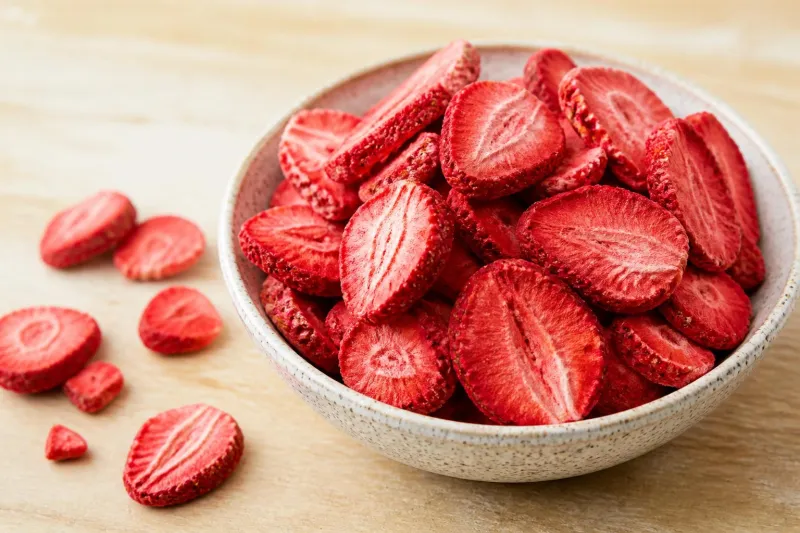
This distinction matters because the results are different in use. Freeze-dried raspberries can crush into a bright powder, stay crisp as a topping for a while, and rehydrate quickly in a wet mixture. Dried raspberries made with heat are generally chewier, denser and less likely to give that same crisp finish.
If you want a fuller plain-English explanation of the process, our guide to what freeze-drying means in practice covers the basics without the technical clutter.
For a home kitchen, the realistic expectation is this. You can store and use freeze-dried ingredients very well at home. You cannot usually manufacture true freeze-dried food at home with standard household appliances.
What a normal kitchen can and cannot do
A normal kitchen can freeze, chill, defrost, bake, roast, simmer and dehydrate to some extent. It cannot create the low-pressure environment used for proper freeze-drying unless you bring in specialist equipment made for that purpose.
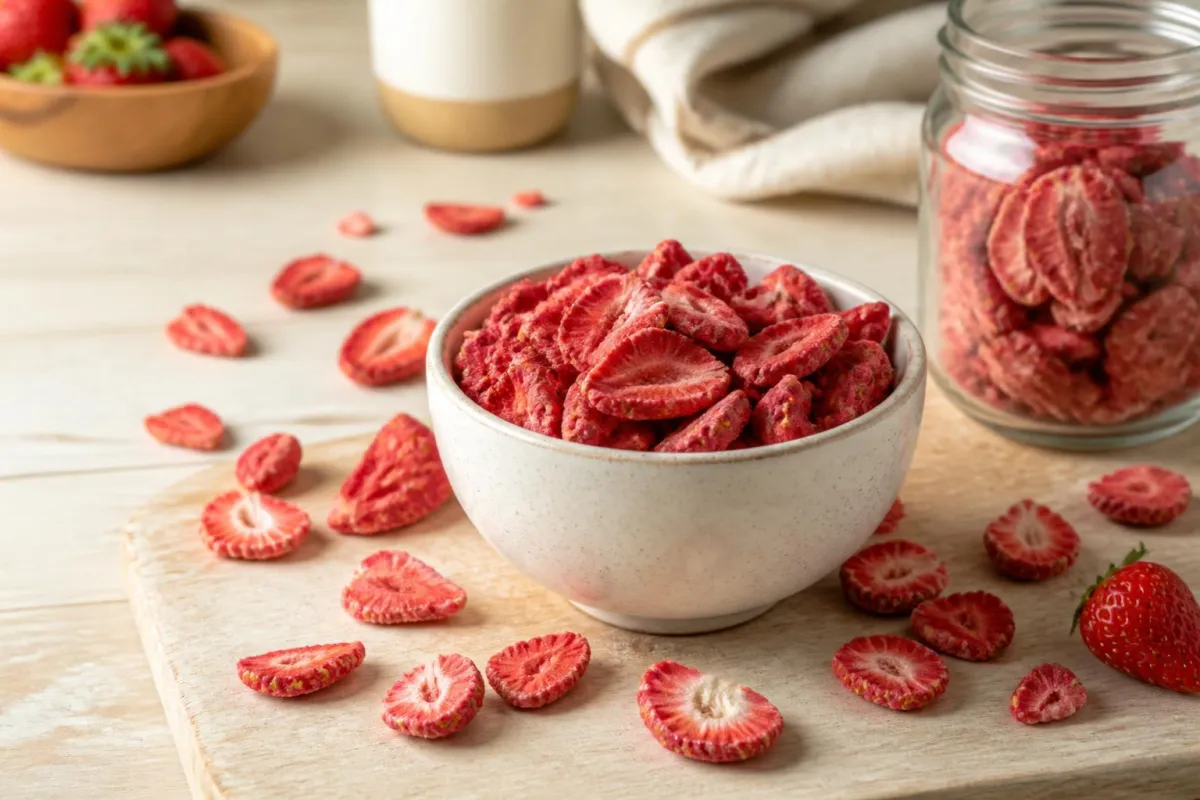
A domestic freezer is not a freeze-dryer. It gets food cold enough to freeze, but freezing alone leaves the water in place as ice. If you put sliced strawberries in the freezer for a week, they will still be frozen strawberries, not freeze-dried strawberries.
A fridge cannot do the job either. It may dry the surface of uncovered food over time, but that is not controlled moisture removal throughout the food. In practice, it usually gives patchy drying, quality loss and a poor texture.
An oven can remove water with heat, which is closer to dehydration. That can be useful for some fruits, herbs or vegetable slices, but it is not the same process and will not give the same result. Low oven drying also brings its own limits. Sugary fruit can become leathery or sticky. Delicate ingredients can darken, collapse or cook before they dry evenly.
Some readers ask about improvised methods, such as freezing food and then leaving it in the freezer uncovered for a long time, or combining freezing with a vacuum container. These are not reliable ways to produce properly freeze-dried food in a domestic setting. You may get some moisture loss at the surface, but not the stable, evenly dried result people usually mean when they talk about freeze drying at home.
Specialist home freeze-dryers do exist, but that is no longer a normal-kitchen-with-normal-appliances question. If you are not using dedicated equipment designed for the process, the honest answer is that you are not truly freeze-drying food.
That matters for storage expectations too. Food that has merely been frozen, partly dried or oven-dried should be treated according to the method actually used, not according to the storage habits people associate with commercially freeze-dried ingredients.
The practical home route for most cooks
For most home cooks, the useful approach is simple. Buy freeze-dried ingredients made for food use, then use them where their texture and flavour make sense.
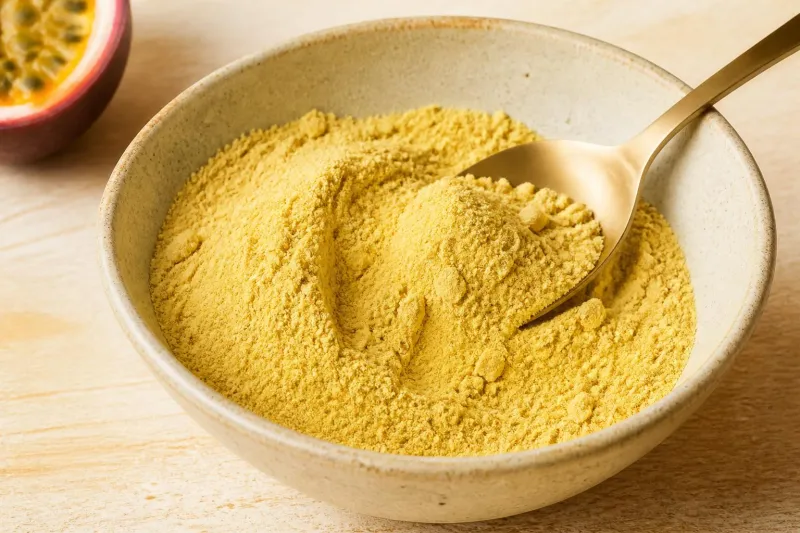
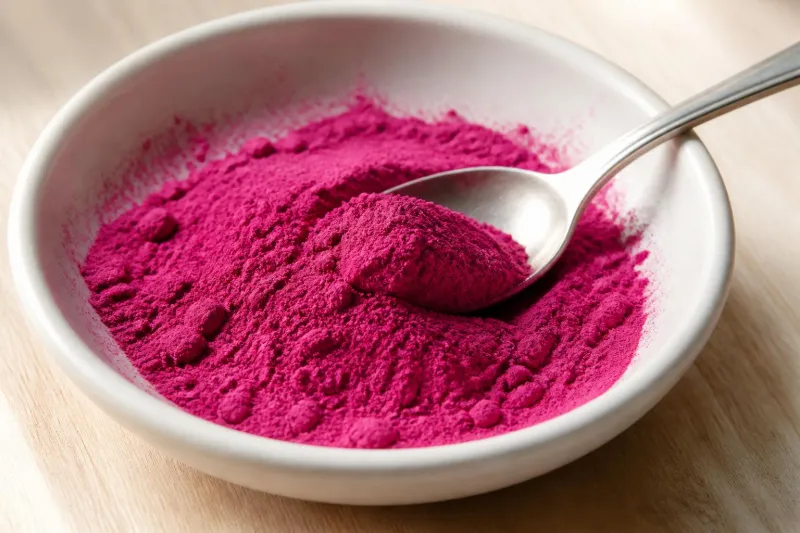
This is especially handy for cupboard cooking and baking. Freeze-dried fruit gives you berry flavour without adding much liquid. Freeze-dried vegetable pieces and powders can be convenient for soups, sauces and savoury mixes where you want a dry ingredient on hand. Fruit powders can colour and flavour icings, buttercreams, fillings and yoghurt-based mixtures more cleanly than fresh fruit.
At Crispberry, we publish ingredient guides to help with those choices. If you are comparing formats, our overview of freeze-dried fruit for baking and toppings is a good starting point, and our page on fruit powders for icings, fillings and mixes is useful when you want flavour without obvious pieces.
This route also fits ordinary UK kitchen habits. You can keep a small packet in the cupboard, use a spoonful when needed, and avoid the waste that comes with opening fresh fruit for a recipe that only needs a little. That does not make freeze-dried better in every situation. Fresh, frozen and dried ingredients all have their place. It just means freeze-dried ingredients solve a particular kitchen problem well.
A few practical examples:
- If you want raspberry flavour in buttercream without making it loose, crushed freeze-dried raspberries or raspberry powder are often more manageable than fresh berries.
- If you want strawberry pieces on top of chocolate bark or traybakes, freeze-dried pieces can stay lighter and crisper than fresh fruit.
- If you are mixing a camping, travel or emergency-style dry blend for adult use at home, freeze-dried vegetable pieces may be easier to keep in the cupboard than fresh vegetables.
The key is to treat them as ingredients, not as direct stand-ins in every recipe. A freeze-dried strawberry is not simply a fresh strawberry with the water missing. It behaves differently in mixing, storage and texture.
How to handle moisture, texture and storage
Freeze-dried ingredients are dry, and that dryness is exactly why they absorb moisture so readily. Open a packet on a damp day and you may notice pieces soften surprisingly quickly. Leave fruit powder exposed to steam near the hob and it can clump. Scatter berry pieces over yoghurt too early and the crispness will fade as they pull in moisture.
That is normal behaviour, not a fault.
Once opened, reseal the packet promptly. If the original pack has a reliable zip seal and it still closes well, use it. If not, move the contents to a clean, dry, airtight container. Keep it away from steam, direct heat and repeated humidity changes. A cool, dry cupboard is usually more sensible than storing near the kettle, dishwasher or oven.
Handle with dry utensils. Even a slightly damp spoon can start softening powders or sticking pieces together.
Packet instructions should take priority, especially where storage after opening is concerned. Different ingredients, pack sizes and added components can change what is suitable. The Food Standards Agency’s guidance on safe chilling, freezing and defrosting is broad household guidance, but the practical point here is clear, follow the product’s own storage instructions where they are given, and store food in ways that help keep it safe and in good condition Food Standards Agency food storage guidance.
Do not assume that putting an opened packet in the fridge is always helpful. Fridges are humid environments, and that can work against the crisp texture you are trying to preserve unless the packet is very well sealed and the label says refrigeration is appropriate. In many cases, dry storage is the better option, but the actual packet matters.
Texture also changes once freeze-dried ingredients meet liquid. In a batter, porridge, compote, frosting or sauce, they may soften quickly. That can be useful if you want flavour to spread through the mixture. It is less useful if you were relying on crunch. Timing matters. Add them at the end if you want pieces to stay distinct for longer.
How to use labels and quantities sensibly
With freeze-dried ingredients, labels matter more than many people expect. The exact ingredient can vary. One packet may contain only fruit. Another may be a blend, or may be packed in a facility that matters for allergies. Powders can be pure fruit powder, or they can be part of a wider baking mix. Always check the actual packet for ingredients, allergens and storage instructions.
That is especially important for anyone managing food allergy or intolerance. Do not infer suitability from the front of pack or from a general description online. The Food Standards Agency’s consumer guidance is the right starting point here, because ingredient and allergen information on the food itself is what matters in practice Food Standards Agency consumer allergy guidance.
Nutrition labels need the same care. A common mistake is comparing a serving claim on one packet with a per 100g figure on another. The NHS guidance explains why that can mislead, because per 100g and per portion are different bases for comparison NHS food labels.
Quantities need a bit of judgement too. It is tempting to ask for a fixed conversion such as “how many grams of freeze-dried strawberries equal 100 grams of fresh strawberries?” In a home kitchen, that is not a safe assumption to standardise. Different fruits, cut sizes and products behave differently. Some pieces are whole slices, some are small fragments, some are powders, and all absorb liquid differently depending on the recipe.
So rather than relying on a universal fresh-to-dried conversion, work from the role the ingredient plays:
- For topping, add a little at a time until the look and texture are right.
- For powders in icing or frosting, start modestly and adjust for flavour and colour.
- For rehydrating into a filling or sauce, begin with small measured amounts of water and pause to see how the texture develops.
If you are writing your own recipe notes, record what you actually used in grams and millilitres. That matters more than chasing a generic conversion chart.
Best uses in baking, toppings and cupboard cooking
Freeze-dried ingredients are most useful when you play to their strengths.
In baking, fruit powders are often the easiest entry point. A spoonful of strawberry or raspberry powder can flavour icing sugar glazes, buttercream, meringue mixtures or cheesecake toppings without adding much extra liquid. That makes them easier to control than fresh purée in recipes where texture is sensitive.
Whole or broken fruit pieces are excellent as a finishing ingredient. Scatter them over cakes, biscuits, rocky road, chocolate bark or breakfast bowls close to serving time if you want the best chance of keeping some crispness. If you want inspiration for a simple home treat, our article on using freeze-dried strawberries with chocolate at home shows the sort of kitchen application where the texture really works.
For toppings, think about moisture underneath. On whipped cream, yoghurt, fruit compote or soft icing, the pieces will start absorbing moisture almost at once. That is not necessarily a problem. It just changes the texture from crisp to softer. If that softer result suits the dish, add them earlier. If crispness matters, add them just before serving.
In cupboard cooking, freeze-dried vegetables and fruit can help when you want small amounts without opening fresh produce. Vegetable pieces can go into instant soups, noodle bowls, couscous-style mixes or dry seasoning blends for later cooking. Fruit powders can be stirred into porridge, overnight oat mixes or simple dessert sauces.
Rehydration is useful, but not always necessary. Some ingredients work best left dry, such as berry dust on truffles or crisp fruit pieces on chocolate. Others benefit from moisture. Vegetable pieces in soup generally need liquid and time. Fruit in a compote-style filling may soften better if mixed with a little warm water and left briefly before use.
A few sensible, non-tested starting ideas for adult home cooks:
- Stir freeze-dried berry powder into 200 grams of icing sugar for a fruit glaze, then add liquid gradually.
- Fold a small handful of freeze-dried fruit pieces into biscuit dough if you want pockets of flavour without wet fruit.
- Crush freeze-dried raspberries over set chocolate or cheesecake just before serving.
- Add freeze-dried vegetable pieces to a mug soup or stock-based noodle bowl and let them soften in hot liquid.
- Mix fruit powder into whipped cream carefully and in small amounts, watching for texture changes.
The guiding question is simple. Do you want crispness, flavour concentration, convenience, or rehydration? Once you know that, the best use becomes clearer.
For most readers, then, the answer is straightforward. You are unlikely to achieve true freeze-drying at home with a normal freezer, fridge or oven. But you can absolutely make good use of freeze-dried ingredients in a normal kitchen. If you handle moisture carefully, read the packet properly and choose the right format for the job, they can be one of the most practical cupboard ingredients you keep around.