Fast adult lunches with freeze-dried vegetables
Freeze-dried vegetables work best when matched to the lunch format, not treated as one-size-fits-all.
On this page
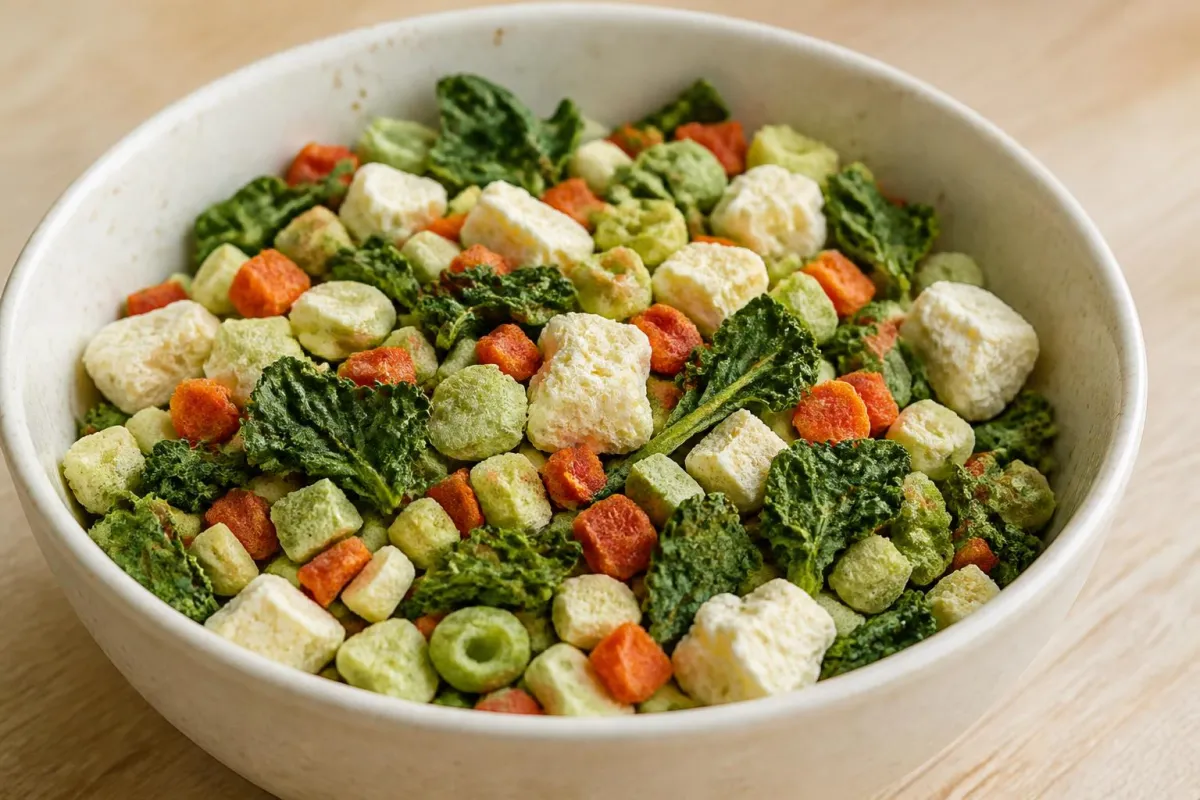
Using freeze-dried vegetables in a quick adult lunch works best when the lunch already has a clear source of moisture, heat, or dressing. They are especially practical in soups, instant noodle bowls, couscous pots, grain bowls and egg-based lunches, because those formats let you control texture instead of hoping the vegetables will sort themselves out. The main question is not whether freeze-dried vegetables are convenient, it is whether you want them to stay crisp, soften slightly, or fully rehydrate.
For most adult lunch prep, that choice comes down to moisture management. A dry sprinkle can add colour and a little crunch, but the same ingredient can turn chewy or uneven if it sits in too little liquid. If you are planning a desk lunch from cupboard ingredients, it helps to decide first how wet the meal will be, then add the vegetables in the way that suits that format.
Which quick lunches suit freeze-dried vegetables best?
The best quick lunches for freeze-dried vegetables are the ones where texture can be predicted in advance.
Soup pots are the most straightforward. If you are making a mug soup, miso-style broth, noodle cup or a quick lentil soup from stock, freeze-dried vegetables usually have enough hot liquid to soften properly. That means less guesswork. Small pieces such as peas, sweetcorn, onion, leek, pepper or mixed vegetable blends are often easier to use here than large slices, because they hydrate more evenly in a short lunch break.
Couscous and bulgur pots are also a good fit. These grains absorb measured liquid quickly, so you can build lunch in one container and let the vegetables soften alongside the grains. The result is more reliable than adding freeze-dried vegetables to a very dry grain salad and hoping a spoonful of dressing will do the job.
Instant noodles are another practical option, particularly if the packet already expects a few minutes of standing time after boiling water is added. That extra rest helps both noodles and vegetables. If the vegetables are added dry at the start, they usually rehydrate better than if they are scattered on top at the last minute.
Grain bowls can work well, but only if there is enough moisture from a warm grain base, a dressing, or another wet element such as hummus or yoghurt. Otherwise the vegetables may stay brittle in the centre or soften patchily on the surface. For cold rice or quinoa from the fridge, brief separate rehydration is often the better choice.
Wraps and sandwiches are more selective. Freeze-dried vegetables can be useful here, but mainly in two ways. First, as a dry crunchy element, similar to a garnish. Second, after brief rehydration and draining, when you want them to sit inside a filling without pulling moisture from it. If you add them dry to a wrap with a modest spread, they can continue absorbing moisture after assembly and change the texture of the wrap by lunchtime.
Egg-based lunches are often overlooked, but they suit freeze-dried vegetables well. A quick microwave mug omelette, scrambled eggs, or a frittata-style lunch box can take small freeze-dried vegetables if they are either softened first or cooked in a mixture with enough moisture. Dry pieces in eggs can stay firmer than expected, especially if the cooking time is short.
Texture and moisture matter because freeze-dried vegetables are not all used in the same way. They have had water removed, but the final lunch decides what happens next. If the meal is brothy or steamy, they can soften. If it is dressed but not wet, they may only partly rehydrate. If it is dry, they may stay crisp. That is why our guide to freeze-dried vegetables is most useful when you read it alongside the lunch format you actually make.
When should you add them dry and when should you rehydrate them?
Add freeze-dried vegetables dry when you want them to stay crisp, or when the lunch has enough hot liquid to rehydrate them fully during normal preparation. Rehydrate them first when the meal is only lightly moist, when even texture matters, or when the vegetables will sit in contact with other ingredients for hours before eating.
For soups, add them dry at the start unless the packet says otherwise. Hot stock or boiling water is usually the point. The vegetables need contact with liquid, not just steam. Follow manufacturer cooking instructions if the packet gives a standing time or suggests simmering. That instruction takes priority over a general rule.
For wraps, rehydrate first more often than not. A short soak in hot or room-temperature water, followed by draining, helps stop the vegetables from drawing moisture out of the filling later. This matters if your wrap includes soft cheese, mayonnaise, mashed beans, egg mayonnaise or leftover chicken. If you want a crisp finish instead, use a very small amount of dry vegetable just before eating, not when packing the wrap in the morning.
For grain bowls, it depends on temperature and dressing. Warm grains with a generous dressing can soften smaller freeze-dried vegetables well enough if you mix and leave them for a few minutes. Cold bowls usually benefit from separate rehydration, especially with larger pieces. If the bowl is based on fridge-cold rice, chickpeas and leaves, there is rarely enough available moisture for even softening.
For noodles, dry addition is often best. Put the vegetables into the bowl or pot before the boiling water goes in, so they hydrate while the noodles soften. If your noodle lunch includes only a little sauce and no broth, rehydrate separately instead.
For egg-based lunches, use brief rehydration when you want a softer bite. A tablespoon or two of hot water for a few minutes can be enough for small pieces, then drain before adding to beaten egg. If you are making a looser scramble with milk or another liquid, some vegetables can go in dry, but they still need enough cooking time. The packet instructions matter here because some mixed vegetable products are intended for cooking, not just soaking.
A useful rule is this. Add them dry when the meal is genuinely wet or when you want crunch. Rehydrate first when the meal is only damp, creamy, or tightly packed. That is the practical heart of using freeze dried vegetables in a quick adult lunch without ending up with a texture you did not intend.
A 10-minute desk lunch example using cupboard ingredients
This is an illustrative suggestion, not a tested recipe. Check the packet on your chosen ingredients and follow any manufacturer cooking instructions.
A practical desk lunch is a savoury couscous pot with peas, tomato paste and seeds. It uses cupboard ingredients, a kettle and one heatproof container.
You will need:
- 60 grams plain couscous
- 8 to 12 grams freeze-dried peas
- 1 heaped teaspoon tomato paste, about 15 grams
- 1 teaspoon olive oil, about 5 millilitres
- 1 teaspoon pumpkin or sunflower seeds
- a pinch of dried herbs
- black pepper
- about 110 to 130 millilitres boiling water, but check the couscous packet
Method:
Put the couscous, freeze-dried peas, dried herbs and pepper into a heatproof pot or bowl with a lid. In a small cup, loosen the tomato paste with the olive oil and a spoonful of the boiling water. Stir that into the couscous mixture. Add the remaining boiling water, starting with the lower amount if your couscous packet gives a range. Cover and leave for 5 minutes. Fluff with a fork, then scatter over the seeds.
Why this works is simple. Couscous absorbs water quickly, and the same covered resting time helps the peas soften. Tomato paste adds flavour without making the lunch watery. Seeds are added at the end so they stay distinct in texture.
If your freeze-dried vegetables are larger than peas, or if the packet suggests a longer cooking time, give them a short pre-soak in hot water while the kettle boils, then drain and stir them in before covering the couscous. If the couscous packet requires a different water ratio, use that instead. Packet instructions come first.
If you want another ingredient idea, our page on freeze-dried peas is useful for thinking about size, texture and where peas fit naturally.
How to read the packet before you build lunch around it
Before you rely on any freeze-dried vegetable for lunch, read the packet in four passes, ingredients, allergens, serving basis and cooking instructions.
Start with the ingredients list. Some products are a single vegetable. Others are blends. Some may include oil, salt, anti-caking agents, seasoning, starches or flavourings. That changes how they behave in lunch prep. A plain vegetable blend works differently from a seasoned soup mix. If you are building lunch around a specific flavour profile, the ingredient list tells you whether the packet will support it or compete with it.
Next, check allergen information carefully. In the UK, prepacked food must provide allergen information, and the safest source is the actual label on the pack, not a guess based on the product name. The Food Standards Agency’s consumer guidance is the key reference here, particularly if you are cooking for someone else or comparing similar products from different brands, Food Standards Agency allergy guidance. Do not infer personal suitability from a general category such as “vegetable mix”.
Then look at the nutrition panel with care. The NHS explains that per 100g and per portion are different comparison bases, and that matters a lot with freeze-dried ingredients because they are light and concentrated, NHS food labels guidance. A figure per 100g may look high or low compared with a fresh ingredient, but that does not tell you what you are actually adding to one lunch. Equally, a “serving” on pack may not match the amount you plan to use. Compare like with like, and base your lunch on the actual grams you will use.
Finally, read the preparation instructions. This is the part people skip, and it is often the most useful. The packet may say whether the vegetables are intended for cooking, soaking, sprinkling, or direct use in certain foods. It may also say whether they should be used up within a certain time after opening, or stored in a particular way. If the instructions say simmer, do not assume a splash of hot water in a wrap filling will achieve the same result.
Where UK guidance and wider EU expectations differ in practice, rely on the label presented for the UK market and on UK public guidance. For Crispberry readers, that means using UK packet information first, then applying general kitchen judgement.
For overall meal balance, it also helps to remember the NHS position that eating patterns are considered across a day or week, not judged entirely by one lunch, NHS Eatwell Guide. That keeps lunch planning practical. A quick desk meal does not need to do every job at once.
Storage and food safety once moisture is involved
Once moisture is involved, freeze-dried vegetables stop behaving like a dry cupboard ingredient and start behaving more like any other prepared food. That is the point where packet instructions and general Food Standards Agency guidance both matter.
For unopened packs, follow the storage statement on the label. For opened packs, reseal promptly if the packaging allows, or transfer to a clean, airtight container if the manufacturer permits that. Keep the product dry. Moisture from steam, wet spoons or a damp kitchen can affect texture long before spoilage is obvious.
If the packet gives a “use within” period after opening, follow it. If it gives a storage condition such as cool and dry, follow that too. Crispberry is an information site by Fleeta Limited, not a shop, so we do not set storage periods for products we do not pack. The label is the authority for that product.
As soon as you soak or cook the vegetables, general food safety rules apply. If you are preparing lunch ahead, chill it promptly once cooled, and keep it refrigerated until needed. The Food Standards Agency’s storage guidance is the primary reference here, Food Standards Agency food storage guidance. The broad principle is simple, appropriate chilling and storage help control food safety, and product instructions should still be followed.
For packed lunches, think about the whole dish, not just the vegetables. A rehydrated vegetable mixed into couscous, noodles, egg or a mayo-based filling becomes part of a prepared meal. If that lunch will be out of the fridge for a long period, the more perishable ingredients set the limit. Dry freeze-dried vegetables on their own are one thing. A hydrated lunch box is another.
If you rehydrate vegetables separately, drain them well before adding them to wraps or grain bowls. Excess water can make lunch unpleasant, but it can also shorten the time the meal stays at its best. Use clean utensils, clean containers and fresh water. Do not tip unused soaking water back into the packet.
For desk lunches, a good habit is to keep the dry and wet parts separate where practical. Pack dry toppings separately and add them just before eating. Rehydrate only what you need. If you make a lunch the night before, store it chilled and check the packet for any product-specific instruction that changes the approach.
If you are planning more cupboard-friendly ingredients, our freeze-dried vegetables guide is the best next read, especially if you want to compare formats without turning lunch prep into a bigger project than it needs to be.