How to use dried figs without sticky, heavy bakes
Dried figs add sweetness, seeds and chew, but they also bring concentrated sugars and low moisture.

On this page
Dried figs can make bakes feel rich very quickly. They bring concentrated sugar, noticeable moisture, and a paste-like stickiness once chopped or heated. If you want their flavour without a heavy result, the simplest approach is to use them in smaller pieces, pair them with ingredients that stay light, and adjust the liquid and sugar in the rest of the recipe instead of treating them like a neutral add-in.
In practice, that means choosing the prep method to suit the dish. Finely chopped figs give distinct little pockets in scones, buns and loaf cakes. A short soak softens them for porridge or compote. A smooth fig paste spreads sweetness through batter, but it also makes mixtures denser, so it needs more care. Once you know how dried figs behave, they are much easier to use well.
What dried figs are like in the kitchen
Dried figs are not dry in the same way as raisins or freeze-dried fruit. They still contain enough moisture to feel supple, dense and slightly tacky. That matters in baking, because they do not simply sit in a batter as separate pieces. They share moisture with the mixture around them, especially during resting and baking.
Their sweetness is concentrated, but it is not sharp. Figs taste rounded, honeyed and a little caramel-like, which is why they can make a bake seem richer than the weight alone suggests. If a recipe already includes brown sugar, syrup, banana or dates, adding figs can tip it from pleasantly sweet to cloying unless something balances it, such as oats, citrus zest, spices, nuts or a plainer dough.
The seeds are small but important. They give dried figs fruit their gentle crunch, which can be pleasant in porridge, flapjack-style mixtures and compotes, but more noticeable in smooth batters or fillings. If you want fig flavour without that texture, blending is usually better than chopping.
Moisture behaviour is where most surprises happen. Chopped figs can draw in a little moisture from batter, then soften further in the oven. Blended figs do more than soften, they become part of the structure. They thicken mixtures, make them more cohesive, and can leave a cake or muffin feeling close-textured if too much is used. That is why dried figs often work better as part of the fruit element rather than as a one-for-one stand-in for all the sugar or fat in a recipe.
This is also where they differ from ingredients we cover elsewhere at Crispberry. Freeze-dried fruit is crisp and low in moisture, so it usually needs protecting from humidity and often rehydrates from the recipe itself. If you are comparing cupboard fruit options, our guide to first steps with freeze-dried fruit explains that contrast in handling.
When to chop, soak or blend them
The best preparation depends on whether you want separate pieces, soft pockets, or fig flavour spread through the whole dish.
Chop dried figs when you want definition. This suits buns, scones, traybakes, breakfast bars and spooned over porridge. A small dice gives better distribution than large chunks, which can sink or clump. If the figs are sticky enough to drag on the knife, lightly oil the blade or rinse it in hot water and dry it between cuts. Kitchen scissors also work well. For a lighter bake, smaller pieces are usually better than larger ones because they interrupt the crumb less.
Soak them when the dish needs tenderness rather than chew. A short soak in hot water, tea, orange juice or apple juice softens the flesh and loosens the sticky sugars on the surface. This is useful for porridge toppings, quick compotes, fruit buns, and fillings for rolled oats or baked apples. You do not need a long soak for most kitchen uses. Ten to twenty minutes is often enough to make chopping easier and the finished texture gentler. Drain well unless the soaking liquid is meant to go into the dish, because extra free liquid can change the batter more than expected.
Blend them when you want body and sweetness combined. A fig paste can be useful in breakfast loaves, porridge, savoury relishes and some cake batters. The usual method is to soak first, then blend with a measured amount of liquid until smooth or nearly smooth. This gives a puree that mixes evenly, but it also acts more like a wet ingredient than a dried fruit piece. In buns or cakes it can make the crumb tighter, so it is better used for part of the sweetening or fruit content, not all of it.
For compotes, you can go either way. Chopped figs give a spoonable result with visible fruit. Blended figs make the mixture thicker and more jam-like. For savoury dishes, chopped figs are often the better choice because they give sweetness in bursts rather than turning the whole sauce sweet. They pair well with onions, grains, blue cheese, roast squash and spiced couscous.
If you keep both dried and freeze-dried ingredients in the cupboard, the storage and handling are very different. We set that out separately in our guide on how to store freeze-dried fruit, because a packet of dried figs fruit does not behave like a pouch of crisp berries once opened.
How dried figs change a recipe
Dried figs affect more than flavour. They change sweetness, spread, crumb, stickiness and how easily a mixture comes together.
Start with sweetness. Figs add sugar, but because they also add bulk and moisture, reducing sugar elsewhere is not always straightforward. In a simple loaf cake or muffin batter, a modest reduction in the added sugar is often sensible if you are adding a generous handful of chopped figs. In a dough where sugar also helps browning and tenderness, cut more carefully. The practical rule is to taste where possible and to judge the whole combination. If the recipe already uses sweet fruit, syrups or chocolate, figs are an addition that may need balancing.
Next is spread. In biscuits and softer traybakes, chopped figs can reduce spread simply because they absorb and hold part of the available moisture. A fig puree can do the opposite to expectation and make a dough seem looser at first, then set thicker after standing. If a mixture changes noticeably after ten minutes on the counter, that is often the figs continuing to hydrate.
Crumb is the biggest issue in cakes. Large pieces can create damp patches around themselves. A puree can make the whole crumb heavier. To avoid that, use figs as one element among others. For example, combine a smaller amount of chopped figs with apple, pear, oats or nuts rather than relying on figs alone for the fruit layer. In a batter, fold them in at the end and stop mixing as soon as they are distributed. Overmixing smears their sticky surface through the mixture and can create a gummy finish.
Stickiness matters both before and after baking. Chopped figs can clump together in the bowl. Separating the pieces with your fingers before adding them helps. If a recipe includes flour, toss the chopped figs in a spoonful of it before folding in. That is not a guarantee against sinking, but it does help keep the pieces apart. In cooked porridge or compote, stickiness is less of a problem and can actually improve texture.
Liquid usually needs attention. If you soak figs and then add the soaking liquid as well, count that as part of the recipe’s wet ingredients. If you blend soaked figs into a puree, expect the mixture to thicken as it stands. If you are after a lighter result, it is usually better to hold back a little of the flour or oats at first, then decide after mixing whether the batter really needs it.
There is no reliable fixed conversion rule for replacing fresh fruit, sugar or fat with dried figs. The right amount depends on the moisture of the figs, the size of the pieces, and whether the recipe is a batter, dough, porridge or sauce. Small adjustments and attention to texture are more useful than strict swaps.
How to store dried figs after opening
Once opened, dried figs are best kept cool, dry and sealed. For most households that means an airtight container or a well-closed packet stored in a cupboard away from the hob, kettle and direct sun. Heat and humidity make them stickier and encourage quality loss more quickly.
General food storage advice from the Food Standards Agency is to store food appropriately and follow the product instructions where given Food Standards Agency storage guidance. For dried figs, the packet is the first place to check because manufacturers may give specific advice after opening.
In a dry kitchen, cupboard storage is usually sensible. If your kitchen runs warm or steamy, a sealed container becomes more important. Moisture control matters because dried figs can either dry out further and go firmer, or pick up humidity and become sticky on the surface. Neither necessarily means they are unsafe, but both affect how they perform in recipes.
Check the packet and the fruit itself before using. Look for obvious signs of spoilage, damage to the pack, or unusual moisture inside. Some harmless sugar crystals can appear on dried fruit over time, but visible mould, off smells or wetness where it should not be are reasons not to use it. If the packet says refrigerate after opening, follow that instruction rather than general cupboard advice.
For convenience, portioning can help. If you use dried figs only occasionally, divide them into smaller sealed containers so the whole pack is not exposed repeatedly. Label the container with the opening date if that helps your routine, but use the manufacturer’s date and instructions as the main guide.
If you are planning a cupboard that mixes dried fruit with freeze-dried ingredients, it helps to separate them by storage needs. We cover broader practical cupboard use for dried fruit ingredients elsewhere on Crispberry.
What to check on the label before using them
Before using dried figs, check three parts of the label, the ingredient list, the allergen information, and the nutrition panel.
The ingredient list tells you whether you are buying plain dried figs or something with extras. Some packs contain only figs. Others may include preservatives, flour or rice flour to reduce sticking, or added acidity regulators. That affects both flavour and how the fruit behaves in recipes. If you want figs to puree smoothly, a plain ingredient list is usually easier to work with than fruit dusted with anti-caking ingredients.
Allergen information matters even when the product sounds simple. In the UK, prepacked foods must provide allergen information, and the Food Standards Agency advises consumers to read the ingredients list every time because products can change Food Standards Agency consumer allergy guidance. Dried figs themselves are not one of the major declarable allergens, but cross-contamination statements and shared-facility information may still matter to some households. General label reading does not determine personal suitability, so anyone managing an allergy needs to use the actual pack details.
The nutrition panel needs careful reading because per 100g and per portion are not the same basis. The NHS explains that nutrition information can be listed per 100g, per portion, or both, and these are used differently when comparing foods NHS food labels guidance. Per 100g is the better comparison tool across products. Per portion depends on the manufacturer’s stated serving size, which may be smaller or larger than what you actually use in baking.
That distinction matters with dried fruit because a home baking handful can vary a lot. If one recipe idea uses 40 grams and another uses 90 grams, the nutrition contribution is obviously different, but the packet may show a portion based on some other amount entirely. When comparing two fig products, compare per 100g first, then calculate from the actual grams you plan to use.
If the pack gives storage instructions after opening, treat those as product-specific guidance. General NHS and Food Standards Agency information is useful for reading labels and handling food, but it does not replace the manufacturer’s own instructions for that packet.
Easy ways to use dried figs in everyday cooking
Dried figs are easiest to use well when they are supporting an existing dish rather than trying to carry the whole recipe.
In porridge, chop one or two figs finely and stir them in for the last few minutes of cooking, or soak and spoon them on top with yoghurt and toasted seeds. This gives sweetness without needing much extra sugar.
In loaf cakes, use a moderate amount of chopped figs with citrus zest, walnuts or apple. Apple keeps the bake from feeling too dense, while zest stops the flavour turning muddy. If you are using a fig puree, keep it to a partial addition rather than the main sweetener.
For buns and scones, chop the figs quite small. Large pieces can tear the dough and create wet pockets. Figs work especially well with orange, cinnamon and a little wholemeal flour, where their richness feels intentional rather than heavy.
In flapjack-style oat bakes, figs can replace part of the usual syrup-led sweetness, but they should be chopped well and spread evenly. Too many in one place can make the bar sticky rather than chewy.
For compote, simmer chopped figs with apple or pear and enough water to loosen, then stop while the fruit still has shape. If you want a thicker spoonable topping for porridge or rice pudding, blend part of it and leave the rest chunky.
In savoury cooking, add chopped figs to couscous, bulgur wheat, grain salads or stuffing mixtures. They pair well with roast squash, red onion, goat’s cheese and warming spices. The key is restraint. A few pieces brighten the dish. Too many turn it sweet.
They also work in quick relishes. Finely chop figs with vinegar, a little mustard and shallot for a spoonable accompaniment to cheese or roast vegetables. Here the seeds are an advantage because they add texture.
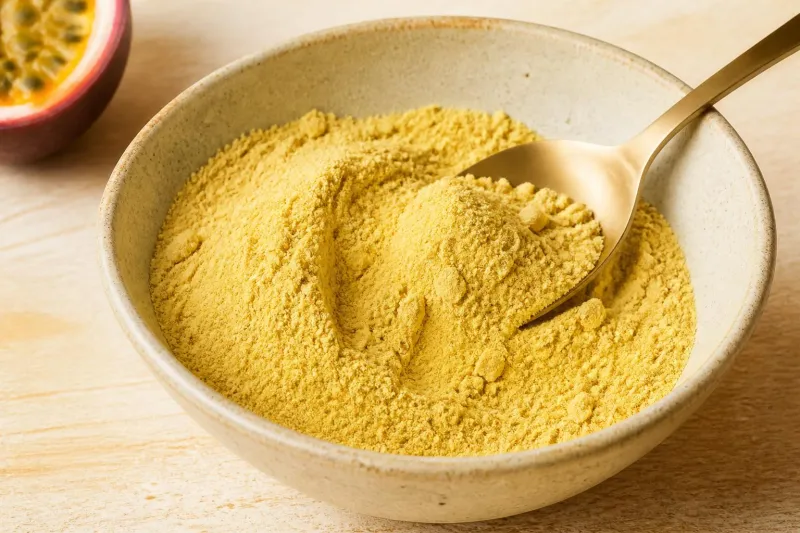
If you like the idea of fruit flavour without the weight that dried figs bring, freeze-dried ingredients can sometimes do a different job better. For example, freeze-dried fruit pieces for baking and toppings add flavour and colour without extra stickiness, while fruit powder for icing, porridge and fillings can add fruit character without introducing chewy pieces.
At Crispberry, we find the most useful way to think about dried figs is not as a direct substitute for another fruit, but as a concentrated ingredient with its own behaviour. Use them in smaller amounts, prepare them for the texture you want, and let the rest of the recipe stay light enough to carry them. That is usually the difference between a bake that feels rich in a good way, and one that turns sticky and heavy.